
Trust
A safe place to be honest about life and faith.

Homes opens at the Integration stage. Finish your Fundamentals steps on the Path.
Homes
We base all of our ministry in the home, like the first Church. Day by day they broke bread in their homes (Acts 2:46).
Families with Foundations





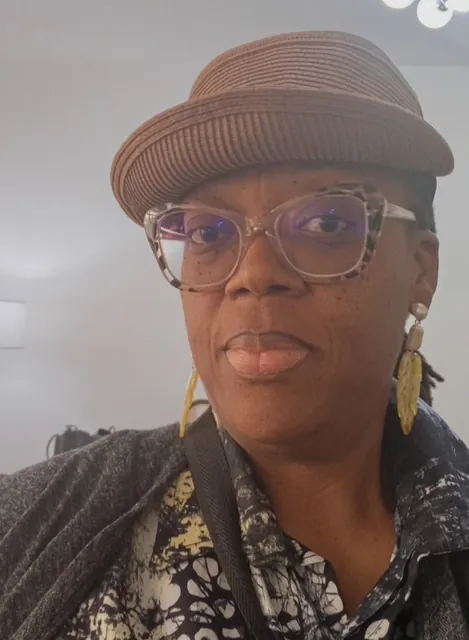









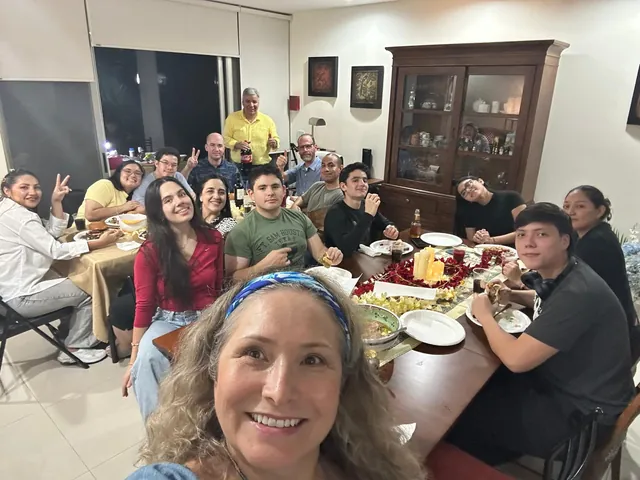




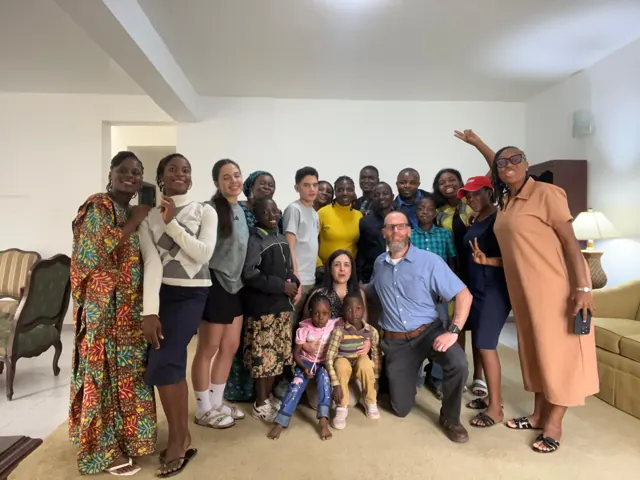

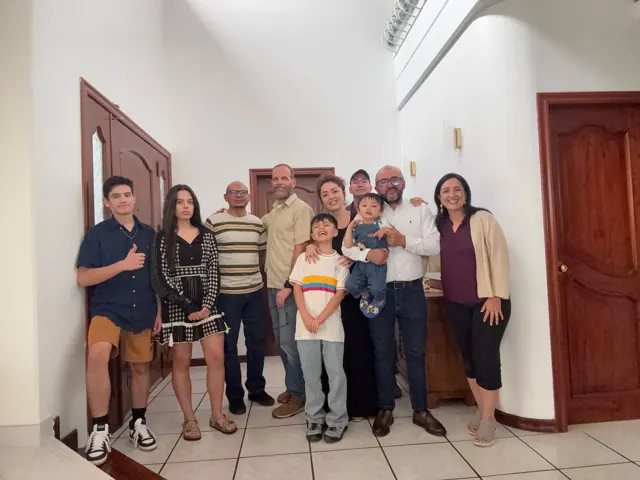
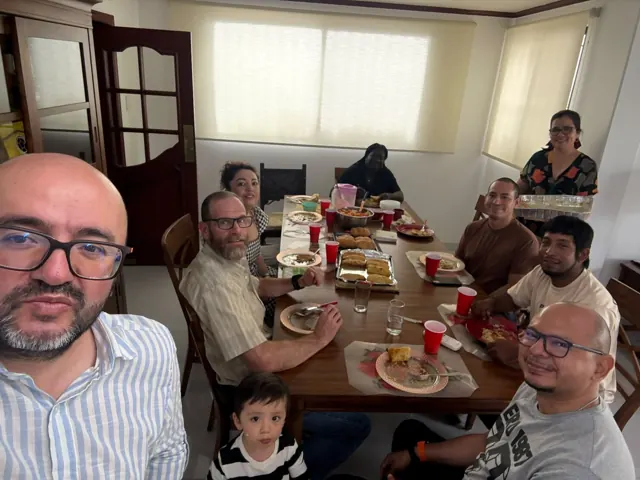



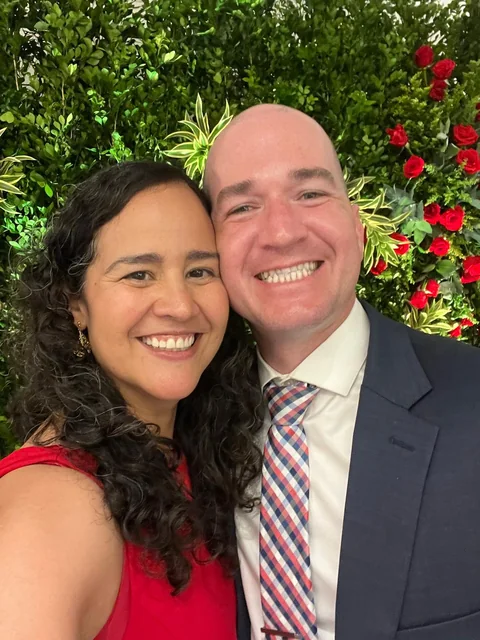









In each of the homes represented by these photos the husbands (or responsible mothers) embrace the Fundamentals. FIRM homes are places where the Church meets. We cannot overstate the importance of homes. They are the building blocks of the Church. In homes will not neglect four basic activities:
When we say “sound doctrine,” we mean those teachings called “the Fundamentals” (Hebrews 6:1–2). FIRM ministries hold to these seven essential doctrines:
These are very special teachings because they are not just doctrines, but lived experiences. Every Christian can count on eventually experiencing each of the seven fundamentals. We hope you’re excited about that! Join us.
Want to upload, update, or remove a photo? Contact us.
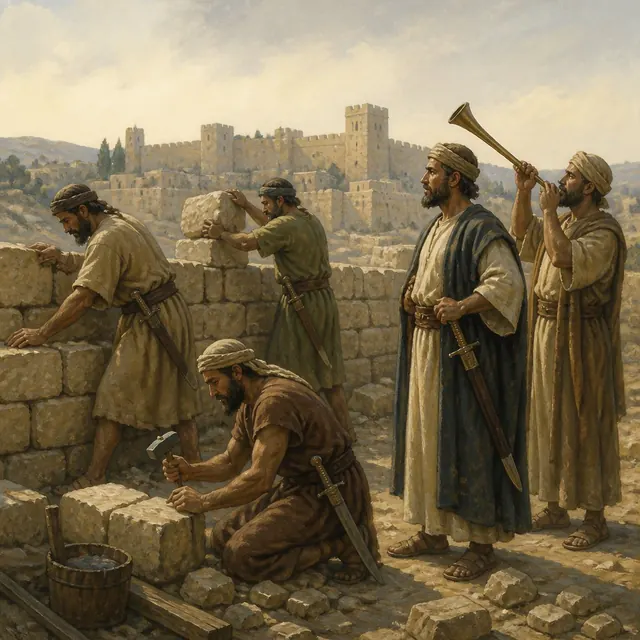

Jerusalem was in ruins. Nehemiah came from Persia to rebuild it, and the way he did it is our model. Each family repaired the section of wall right by their own house.
Look at how repairs were done on the wall surrounding Jerusalem in Nehemiah’s day. Families built up the wall right near where their homes were situated:
Nehemiah stationed people by families to defend the wall, and said: “Don’t be afraid of them. Remember the Lord, who is great and awesome, and fight for your families, your sons and your daughters, your wives and your homes” (Nehemiah 4:13–14).
Once the wall was rebuilt, the protocol was: “Also appoint guards from the inhabitants of Jerusalem, each at his post, and each in front of his own house” (Nehemiah 7:3).
In Nehemiah’s day “the city was large and spacious, but there were few people in it, and the houses had not yet been rebuilt” (Nehemiah 7:4). That’s the condition of the Church right now: plenty of space, but no homes that have been rebuilt in the Lord.
The same holds today. If enough people rebuild their homes, the Church gets built. That’s why homes are the nucleus of our ministries.
What a FIRM home is
A safe place to be honest about life and faith.
We’re open about money and about our motives.
A home with godly order that people can learn from.
The mark of Jesus’ disciples.
An open table, breaking bread together.
No misspending or extravagance. No buildings to keep up.
Where everyone cares for you.
Clear structure, clear parameters. We gather around a table with the Word.
A mom, a dad, and brotherly love.
“There’s no place like home.”
It’s not the workplace or the street.
Everybody abides by the same rules.
Nothing to hide. Frankness.
FIRM homes
FIRM homes have a head of household who hosts Christians for doctrine, fellowship, covenant, and prayer.
Teaching
Receiving Jesus
He who receives you receives Me, and he who receives Me receives Him who sent Me.
Jesus establishes the principle of “receiving him” in several distinct Gospel contexts when sending out His disciples (NASB translation):
The Church has become greatly confused with the corrupted modern definition of “receiving Jesus.” They think it means doing the prayer of faith to “receive” him in their hearts. That is not Biblical nor does it strengthen anyone since it displaces the real meaning of “receiving” Jesus: that someone sent by him should preach the Gospel in a home where they open their doors to holiness, prayer, love, and the Word. In other words, a home that will serve the Church and receive God’s people is a place which has “received” Jesus.
Each of the statements above are directly tied to going into people’s homes and accepting their lodging and hospitality. When Jesus gave these instructions, He set up a specific rule for how His messengers were to be hosted in each village.
In Matthew 10, the statement in verse 40 (“He who receives you receives Me…”) is the culmination of the instructions regarding the hospitality of the homes that were subject to evangelization:
“And whatever city or village you enter, inquire who is worthy in it, and stay at his house until you leave that city. As you enter the house, give it your greeting. If the house is worthy, give it your blessing of peace. But if it is not worthy, take back your blessing of peace. Whoever does not receive you nor hear your words, as you leave that house or city, shake the dust off your feet.”
Matthew 10:11–14 · NASB 1995
In Luke 10, the principle is explicitly tied to entering homes, lodging, and eating what the host provides:
“Whatever house you enter, first say, ‘Peace be to this house.’ If a man of peace is there, your peace will rest on him; but if not, it will return to you. Stay in that same house, eating and drinking what they give you; for the laborer is worthy of his wages. Do not keep moving from house to house.”
Luke 10:5–7 · NASB 1995
In John 13:20 (“he who receives whomever I send receives Me…”), the immediate setting is indoors at the Last Supper. Jesus and his team were being hosted by the owner of the Upper Room, so they were enjoying the blessing of being “received.” Therefore, Jesus spoke again and established that “receiving” a messenger meant opening one’s home, table, and lodging to them as an ambassador of the Lord.
Teaching
The Christian Church always met in homes, especially in the beginning. There is zero indication that the churches founded by Christ’s apostles ever owned or rented property. On the contrary, they always first met in homes, so they never paid rent. Never. The Christian home is the basis of the Church. There are at least 16 passages we can use to prove this point. Let’s get started:
So, the point has been proven: The Church met in homes. But the principle of “home-based” ministry also applied to the selection of pastors. It was a non-negotiable requirement for a pastor to be able to govern his own home. If he could not, he was disqualified for the ministry.
And it wasn’t just pastors. Many other men in the Bible decided to serve God with their families. Just as Joshua in the Old Testament, who said “…as for me and my house, we will serve the Lord” (Joshua 24:15), there were Christian men who made the decision to serve God with their wives and children:
Are we sure that homes were always the basis of Church meetings, or were there exceptions? No, there were no exceptions. There are only two places named in the New Testament where an apostle ministered which were not in homes. However, they were only supplemental to the home ministry that supported them. They were not the primary locations for church gatherings. Homes always were.
1. Solomon’s Portico on the Temple Mount in Jerusalem. During the earliest years of the Church everyone was Jewish and their identity as Jewish believers was still intact, so believers gathered corporately at the open-air colonnades of the Jewish Temple (Acts 2:46); (Acts 5:12). But that public ministry was lost shortly afterwards. Persecution arose against the Christians and they were kicked out of Jerusalem. The only thing they had left were the house churches. But that was enough.
2. The Lecture Hall of Tyrannus (Ephesus). The public venue Paul utilized in Ephesus was the Lecture Hall of Tyrannus. However, that was only a place of outreach and evangelism. The Scriptures make it clear that the church at Ephesus met in a home.
And, by the way, the house where the Church of Ephesus met belonged to Aquilla and Priscilla. That’s why Paul wrote:
Now, you’ll notice that Paul penned those words to the Corinthians, but where was he? We know that Paul wrote 1 Corinthians from Ephesus because he reports in his letter:
But I will remain in Ephesus until Pentecost (1 Corinthians 16:8).
The Book of Acts provides the historical backdrop for how Aquila and Priscilla’s home in Ephesus was already the center for gathering and instruction prior to Paul’s outreach campaign in the same city from the lecture hall of Tyrannus. Aquila and Priscilla relocated to Ephesus with Paul and supported his Gospel work. Read the narration here:
Aquila and Priscilla had originally hosted Paul in Corinth (see Acts 18:1–3). When Paul departed Corinth for Syria, Aquila and Priscilla traveled with him as far as Ephesus and settled there to form the church with him. As we have proven, they happily opened their home for the Ephesus church’s meetings. And that’s where the church in Ephesus met. As always, as in the rest of the New Testament examples, in a Christian home.
Where did the apostles and the Early Church take their cue for meeting in homes?
You guessed it, it was Jesus. He was the first one to tell his believers to find a house and to meet in a large room in that house. Read this passage from Luke:
The room Jesus requested was not a civic hall or synagogue; it was the upper guest floor of an individual’s private urban residence. It was domestic and privately owned.
After his ascension to Heaven, the Apostles returned to Jerusalem and continued gathering in this same type of home venue. That’s what it tells us here:
When they had entered the city, they went up to the upper room where they were staying… (Acts 1:13)
The account of the resurrection of Eutychus and Paul’s ministry at Troas describes a multi-story domestic residential space as well. Consider this:
The assembly met on the third floor of a residential structure. In Greco-Roman urban centers like Troas, these were large domestic residences or apartment blocks where upper rooms often housed larger private assemblies. Paul carried on the tradition passed on to him by Jesus our Lord.
So, what about us? Will we continue that tradition? If it was good enough for Jesus and Paul, it should be good enough for us.
Want to visit a home fellowship or open your own home?