
Ìgbẹ́kẹ̀lé
Ibi aabo lati so ooto nipa igbesi aye ati igbagbo.

Ìtumọ̀ àkọlé, tí a fi ẹ̀rọ ṣe. Olùsọ̀rọ̀ ìbílẹ̀ kan ṣì ń ṣe àtúnyẹ̀wò rẹ̀, nítorí náà àwọn ọ̀rọ̀ kan lè má tọ̀nà.
Draft translation, pending review by a native speaker · Read in English
Àwọn ilé ṣí ní ipele Integration. Parí àwọn ìgbésẹ̀ Fundamentals rẹ̀ lórí Ipa-ọna.
Àwọn ilé
A gbé gbogbo iṣẹ́ ìránṣẹ́ wa kalẹ̀ ní ilé, gẹ́gẹ́ bí Ìjọ àkọ́kọ́. Ojoojúmọ́ ni wọ́n ń bu àkàrà ní ilé wọn (Ìṣe 2:46).
Ìjọ bẹ̀rẹ̀ láti ilé · Àwọn ìdílé pẹ̀lú àwọn ìpìlẹ̀
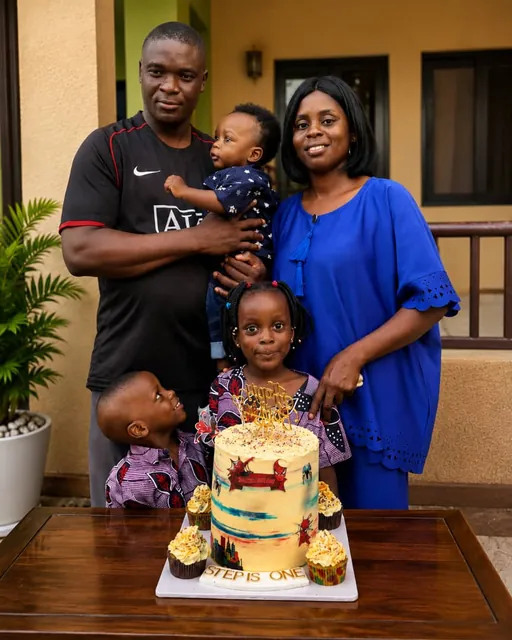


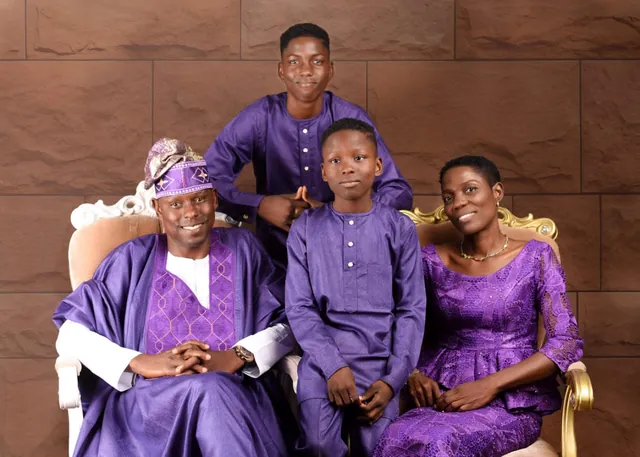








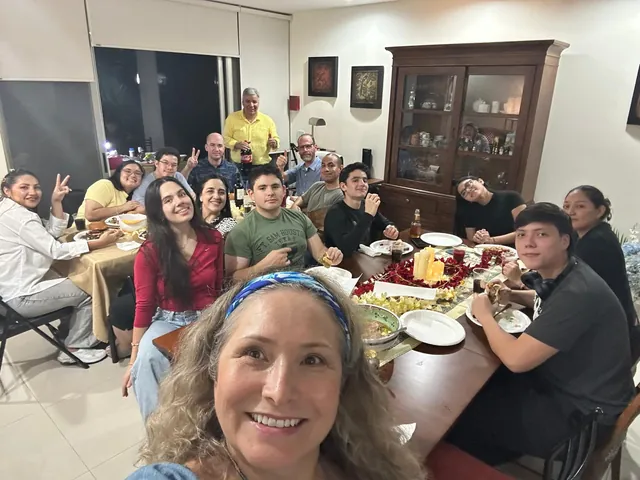


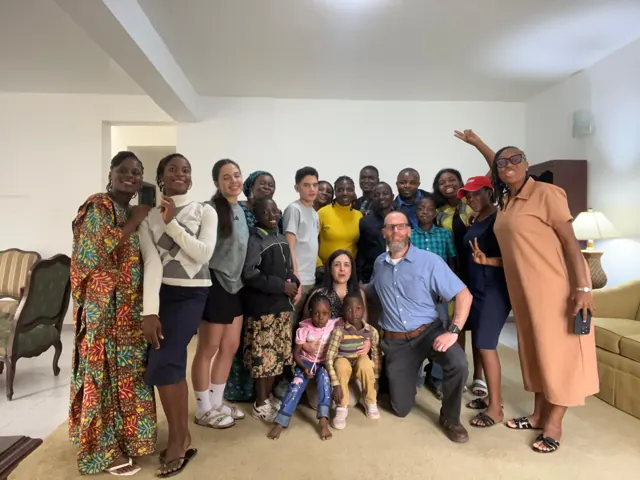
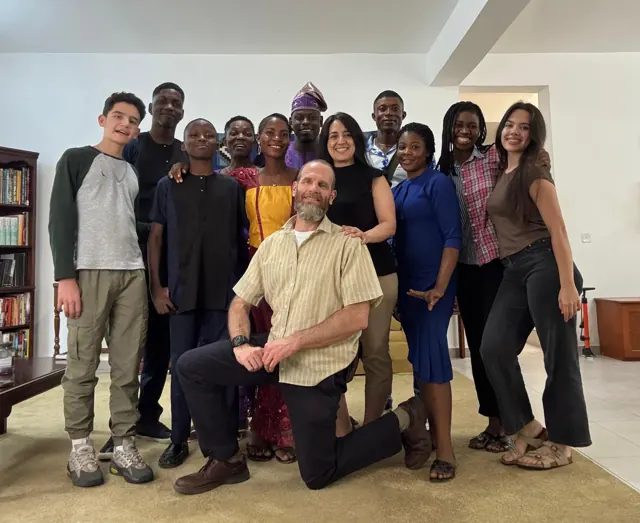
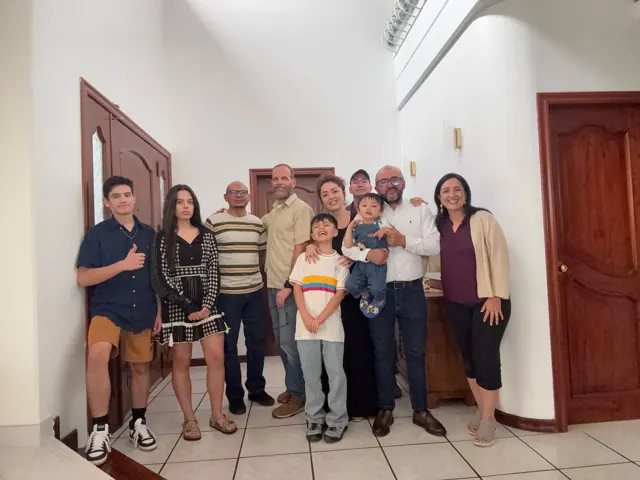
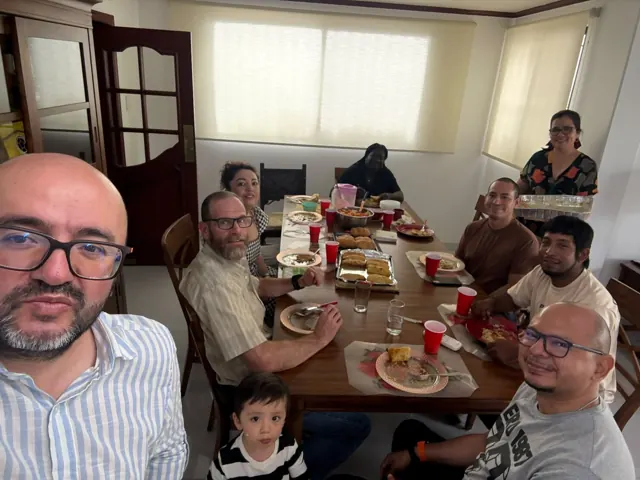

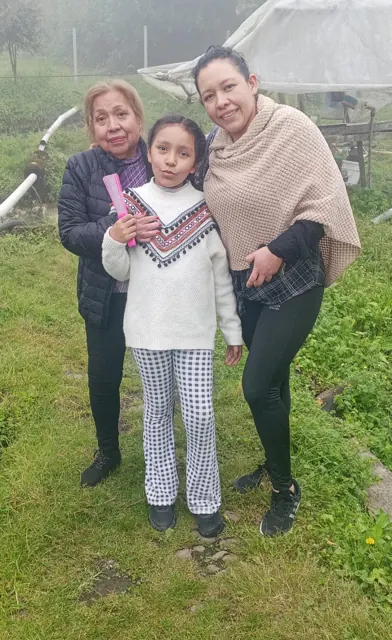




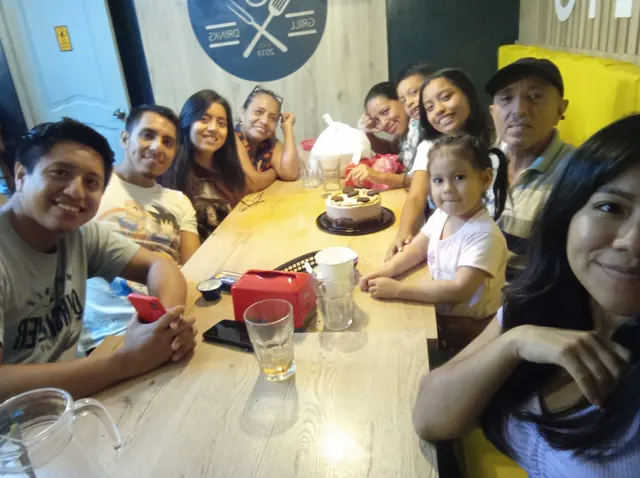
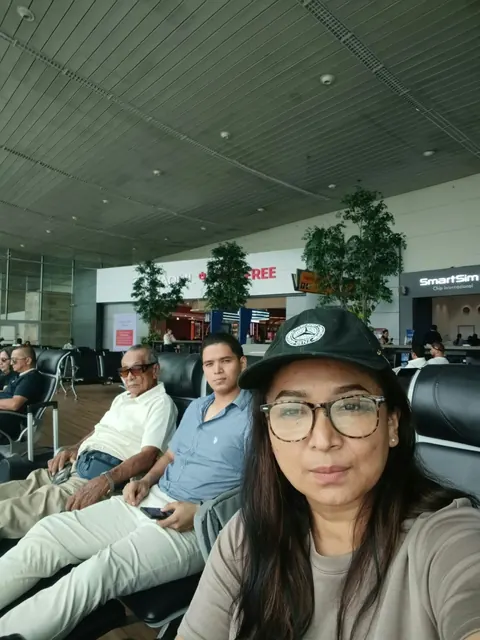
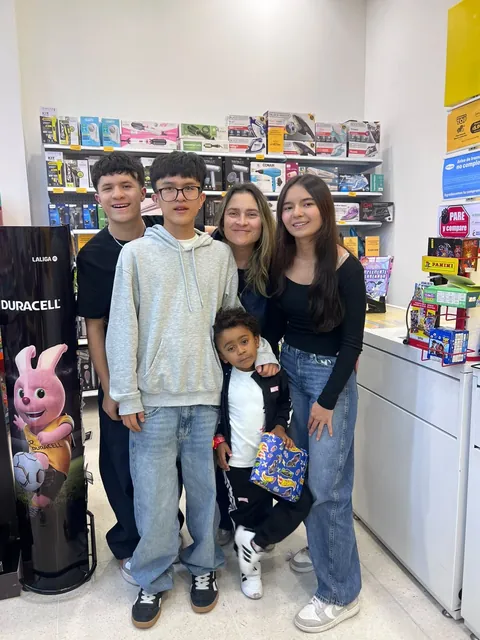
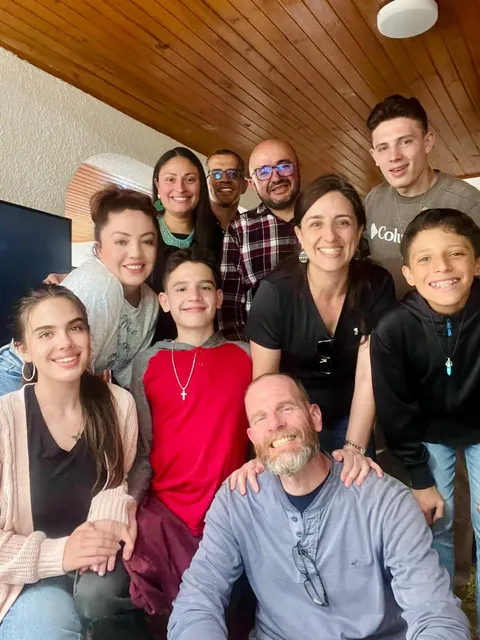



Want to upload, update, or remove a photo? Contact us.
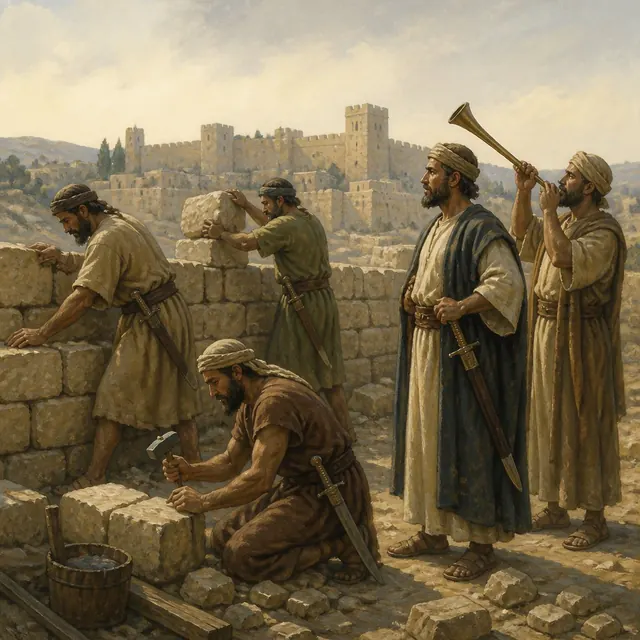
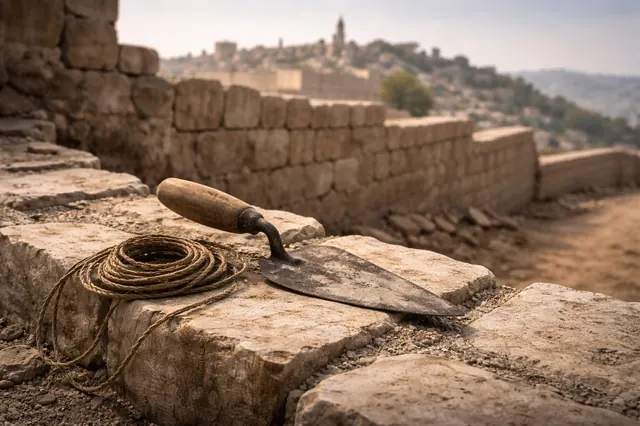
Jerusalem was in ruins. Nehemiah came from Persia to rebuild it, and the way he did it is our model. Each family repaired the section of wall right by their own house.
Look at how repairs were done on the wall surrounding Jerusalem in Nehemiah’s day. Families built up the wall right near where their homes were situated:
Nehemiah stationed people by families to defend the wall, and said: “Don’t be afraid of them. Remember the Lord, who is great and awesome, and fight for your families, your sons and your daughters, your wives and your homes” (Nehemiah 4:13–14).
Once the wall was rebuilt, the protocol was: “Also appoint guards from the inhabitants of Jerusalem, each at his post, and each in front of his own house” (Nehemiah 7:3).
In Nehemiah’s day “the city was large and spacious, but there were few people in it, and the houses had not yet been rebuilt” (Nehemiah 7:4). That’s the condition of the Church right now: plenty of space, but no homes that have been rebuilt in the Lord.
Bákan náà ló rí lónìí. Tí àwọn ènìyàn bá tó láti tún ilé wọn kọ́, a ó kọ́ Ṣọ́ọ̀ṣì. Ìdí nìyẹn tí àwọn ilé fi jẹ́ pàtàkì nínú iṣẹ́ ìránṣẹ́ wa.
Kini FIRM ilé ni
Ibi aabo lati so ooto nipa igbesi aye ati igbagbo.
A ṣí sílẹ̀ nípa owó àti nípa ìdí tí a fi ń ṣe é.
Ilé tí ó ní ìlànà ìwà-bí-Ọlọ́run tí àwọn ènìyàn lè kọ́ ẹ̀kọ́ láti inú rẹ̀.
Àmì àwọn ọmọ-ẹ̀yìn Jésù.
Tábìlì tí a ṣí sílẹ̀, tí a ń fọ́ àkàrà papọ̀.
No misspending or extravagance. No buildings to keep up.
Where everyone cares for you.
Clear structure, clear parameters. We gather around a table with the Word.
A mom, a dad, and brotherly love.
“There’s no place like home.”
It’s not the workplace or the street.
Everybody abides by the same rules.
Nothing to hide. Frankness.
FIRM awọn ile
FIRM Àwọn ilé ní olórí ìdílé tí ó ń gbàlejò fún àwọn Kristẹni fún ẹ̀kọ́, ìbáṣepọ̀, májẹ̀mú, àti àdúrà.
Gbigba Jesu
Ẹni tí ó bá gbà yín, ó gbà mí, ẹni tí ó bá sì gbà mí gba ẹni tí ó rán mi.